The Truth About Tax Deduction Spending
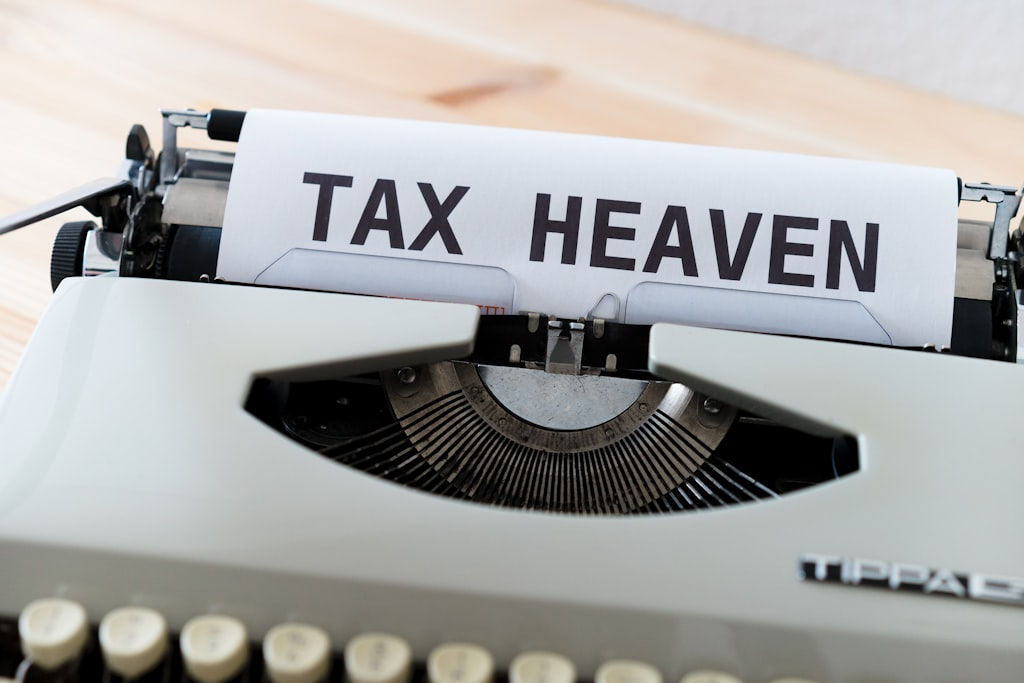
“It’s a tax deduction.”
It sounds smart.
It sounds responsible.
It feels like you’ve won.
But a tax deduction reduces tax.
It does not create wealth.
If you spend $10,000 and save $2,500 in tax.
You are still $7,500 down in cash.
That’s not profit.
That’s a reduced loss.
Chasing deductions keeps you moving.
But it doesn’t move you forward.
Cash in the Bank Is Not the Same as a Line in a Tax Return
Cash is real.
Tax is a calculation.
Tax lives on paper.
Cash sits in your bank account.
Think about a new vehicle.
You claim depreciation.
Your taxable profit drops on paper.
But your bank balance does not rise.
You never get depreciation in cash.
And meanwhile, the vehicle is wearing out.
One day it will need to be replaced.
And that takes real money.
You swapped cash for an asset that loses value every day.
Cash gives you options; depreciating assets create future costs.
Why the Numbers Feel Better Than They Actually Are
Deductions feel like a refund.
They’re not.
A deduction reduces the tax on profit you already made.
It does not increase your profit.
For a PTY LTD company at a 25% tax rate, the math is simple:
- Every $1 you spend saves you 25 cents in tax.
- You are still 75 cents down in cash.
The brain focuses on the saved 25 cents.
The bank account reflects the missing 75 cents.
Spending feels productive.
But retaining profit builds strength.
Only one of those compounds over time.
Every Dollar Committed Today Removes a Choice Tomorrow
Every dollar spent is a dollar you can’t use elsewhere.
When you finance the car or upgrade equipment you don't strictly need, you are locking in higher monthly costs.
Your flexibility shrinks.
Cash in the bank lets you:
- Say no to bad work.
- Take a break without panicking.
- Handle a slow month.
- Invest when the timing is right.
Committed expenses remove those choices.
They disappear quietly.
And you only notice when you actually need them.
Debt Turns a Business Into an Obligation
Debt creates commitment.
Repayments don’t care if revenue dips.
They don’t pause because you’re tired.
And they don’t adjust because you want to work fewer hours.
When your fixed costs are high, you must keep producing just to stand still.
That’s pressure.
The deduction feels clever at the start.
But when the cleverness wears off.
You are left with the repayments that stay for years.
The Part Most Business Owners Aren't Aware Of
There is nothing powerful about reducing tax by spending money you didn’t need to spend.
Profit creates freedom.
Retained profit builds options.
Spending just to soften a tax bill keeps you on the hamster wheel.
Earning just to cover commitments.
That’s why I look at the Monthly Snapshot.
It’s about seeing the truth behind the tax talk so you can make decisions based on cash, not just paper.
A tax deduction reduces tax.
It does not create wealth.
Profit first. Spending second.