Buying a New Ute Could Cost Your Business More Than You Think
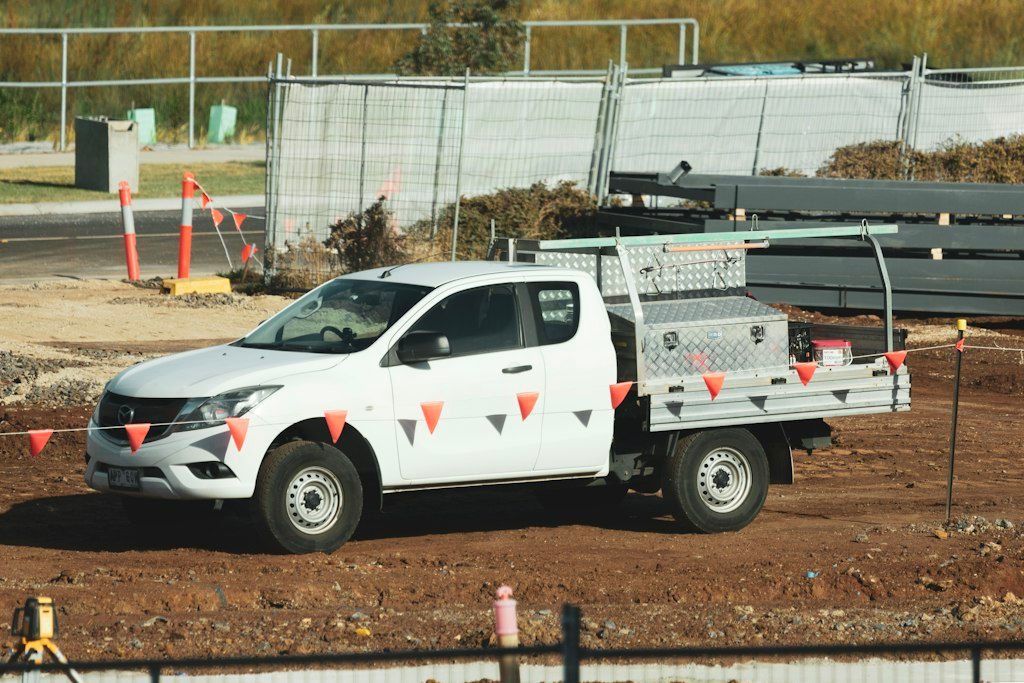
You've worked hard to build your trade business. The jobs are coming in, customers are paying, and business is going well.
So you're thinking it's time to upgrade the ute.
You've got your eye on a new Ford Ranger Raptor. It's got all the extras, looks fantastic, and after years of driving around in your old work ute, you reckon you've earned it.
Then you hear you could get a tax deduction by buying it before the end of the financial year.
Now you've got another reason to make the purchase.
But before you sign on the dotted line, there's something worth thinking about.
"Here we go. She's going to tell me I shouldn't buy a new ute. That I should keep driving around in my old bomb and save my money!"
Whoa, whoa, whoa! Hang on a minute. That's not what I'm saying.
You've worked hard to build your business. There's nothing wrong with wanting a nice ute and enjoying some of the rewards.
I'm just asking you to look beyond the shiny new vehicle and the monthly repayments.
Just because you can manage the repayments, and just because you can claim a tax deduction, doesn't necessarily mean buying it is the best move for your business.
A new vehicle can tie up your cash flow for years. And the tax deduction might not be as big as you think.
I'm not here to tell you what to do with your money. I just want you to understand what the decision means for your business before you commit.
Can Your Business Actually Afford the New Ute?
When you're looking at a new vehicle, it's easy to focus on the purchase price or the monthly loan repayment.
But owning a ute comes with more costs than just the finance.
Think about:
- Loan repayments and interest
- Insurance
- Registration and CTP
- Fuel
- Servicing and maintenance
- Tyres and unexpected repairs
These costs don't disappear once you've driven the ute off the dealership's lot.
They become part of your regular business expenses and need to fit into your normal cash flow.
You've still got materials to buy, wages to pay, supplier invoices to cover, GST to put aside and all the other costs of running your business.
A new ute might be exactly what your business needs. But if the repayments leave you struggling to cover your everyday expenses, that shiny new vehicle could quickly become a financial headache.
Isn't a New Ute Tax Deductible?
It may be, but that doesn't necessarily mean you can claim the entire purchase price straight away.
The tax treatment depends on several things, including:
- The type of vehicle you're buying
- How much you use it for business
- Whether your business is eligible for the small business depreciation rules
- The cost of the vehicle
For eligible small businesses using the simplified depreciation rules, the instant asset write-off threshold for 2026–27 is $20,000 per asset.
This means eligible assets costing less than $20,000 may be written off in the year they're first used or installed ready for use.
But what happens if your new ute costs $100,000?
It's well above the $20,000 threshold, so you generally can't claim the entire purchase price as an immediate deduction under the instant asset write-off.
If your business is eligible to use the small business simplified depreciation rules, the business-use portion of the eligible cost may instead be added to the small business depreciation pool.
There are also vehicle-specific rules to consider. Some vehicles are subject to a car limit, while certain commercial vehicles may be treated differently.
The payload and design of the vehicle can affect its tax treatment, so don't assume every dual-cab ute is treated the same way.
Your accountant can confirm how the vehicle will be treated for your business.
A Tax Deduction Doesn't Mean You're Saving $100,000
Let's say you've purchased a new ute for $100,000.
You might be hoping to claim the full $100,000 as a tax deduction in the first year. But as we've just covered, that's generally not how it works for a vehicle costing more than the instant asset write-off threshold.
If your business is eligible to use the small business simplified depreciation rules, the business-use portion of the eligible cost may be added to your depreciation pool.
Under these rules, the general deductions are:
- First year: 15% of the eligible business-use cost of an asset added to the pool.
- Following years: 30% of the opening pool balance each year.
- Final write-off: If the pool balance is below the applicable threshold at the end of the year, the remaining balance may be deductible.
For example, if the full $100,000 were eligible to be included in the pool and the ute were used entirely for business, the first-year deduction for that asset would be $15,000.
If the business could claim that full deduction and was taxed at a company tax rate of 25%, it could reduce company tax by $3,750.
That's a potential tax reduction, not $15,000 back in your bank account.
The actual tax benefit depends on your business structure, tax position, business-use percentage and whether the vehicle is subject to any special limits.
But there's another important part of the equation if you're financing the ute.
The $100,000 is the purchase cost of the vehicle. It doesn't mean you've paid $100,000 out of your business bank account during the year.
If you finance the ute, your cash outlay might be a deposit followed by regular loan repayments.
The depreciation deduction is generally worked out using the eligible cost of the vehicle, not just the deposit or the loan repayments you've made during the year.
Your loan repayments are a separate matter:
- The principal portion pays down the loan and isn't generally tax deductible.
- The interest portion is generally deductible to the extent the vehicle is used for business.
There's also a timing difference worth understanding.
You won't necessarily know the final depreciation deduction when you buy the ute. Your accountant will generally calculate it when preparing your end-of-year financials and tax return, based on the relevant tax rules and when the vehicle was first used or ready for use.
For some small businesses, this work might not happen until several months into the following financial year.
Your loan repayments don't wait for your tax return.
The deposit and repayments start coming out of your bank account straight away, whether or not your accountant has calculated the depreciation deduction yet.
That's why you need to make sure your business can afford the repayments from its normal cash flow, rather than relying on a tax deduction you may not know the exact value of until your end-of-year accounts are prepared.
What Happens to Your Cash Flow When You Finance a Ute?
Financing a vehicle can make a large purchase feel more affordable because you don't have to pay the full amount upfront.
But a manageable monthly repayment doesn't automatically mean the vehicle is affordable for your business.
Before signing the agreement, look at:
- How much deposit is required?
- What are the regular repayments?
- How long will you be making those repayments?
- How much interest will you pay over the life of the loan?
- Will you still have enough cash available for your other business expenses?
- Is there a balloon payment out the end?
It's also worth remembering that a loan repayment isn't the same as a business expense in your Profit and Loss report.
The principal portion reduces the amount you owe on the loan. The interest is generally an expense, subject to business use and the relevant tax rules.
This is one reason your bank balance and your business profit can tell different stories.
You might be making a profit on paper, but still have a lot of money committed to loan repayments and other cash commitments.
What About GST and Private Use?
Before buying a ute, you should also understand how GST and private use may affect the purchase.
If your business is registered for GST, you may be entitled to claim a GST credit on the business portion of the purchase, provided the normal requirements are met.
However, special rules can apply to certain vehicles, including passenger vehicles subject to the car limit. Private use can also affect the amount of GST and tax deductions you can claim.
If you use the ute for both business and personal trips, you can't automatically claim everything as a business expense.
Your accountant can explain the GST and tax treatment based on the type of vehicle and how you'll use it.
Is the New Ute a Business Tool or a Personal Reward?
There's nothing wrong with wanting a new ute. You've worked hard, and having a reliable vehicle can make a big difference to your day-to-day work.
But it's worth being honest about why you're buying it.
Is your current ute costing too much in repairs?
Do you need a different vehicle to carry equipment or tow a trailer?
Has your business grown to the point where an upgrade makes sense?
Or are you simply having a good year and feel like it's time for something new?
If the vehicle will help your business operate more efficiently or take on work you couldn't previously manage, it may be a worthwhile investment.
But if you're stretching the business financially just to get a new vehicle, the tax deduction alone isn't a good enough reason.
Before You Sign the Finance Agreement, Check Your Numbers
Before committing to a new ute, take a look at how your business is actually performing.
Your Xero reports can help you understand:
- Profit and Loss: Is your business making enough profit to comfortably take on another expense?
- Balance Sheet: What loans and other liabilities does the business already have?
- Cash position: How much money is available after allowing for upcoming bills, GST and other obligations?
- Business expenses: Are your current vehicle costs already taking up a large part of your income?
These figures can help you have a more informed conversation with your accountant about whether the purchase makes sense.
You don't want to find yourself with a shiny new ute sitting in the driveway while you're struggling to pay your suppliers or keep up with your other business commitments.
Don't Let a Tax Deduction Drive Your Decision
Buying a new ute can be a good business decision, but it needs to make financial sense beyond the tax deduction.
Understand the full cost of owning it, how the finance will affect your cash flow and what your business can realistically afford.
A tax deduction can reduce your taxable income, but it doesn't pay your loan repayments or put money back into your bank account dollar for dollar.
At Speaking Numbers, I help tradies across Logan keep their Xero bookkeeping organised and their business numbers up to date. Having accurate records gives you a clearer picture of how your business is performing, so you can have better conversations with your accountant before making big financial decisions.
You focus on the tools. I'll focus on the numbers.
Disclaimer: This article provides general information only and is not financial or tax advice. Tax treatment depends on your individual circumstances, business structure, vehicle type and use. Speak with your accountant or registered tax professional before making a purchase or relying on a tax deduction.