Business Is Getting Busier, So Why Isn't There More Money Left Over?
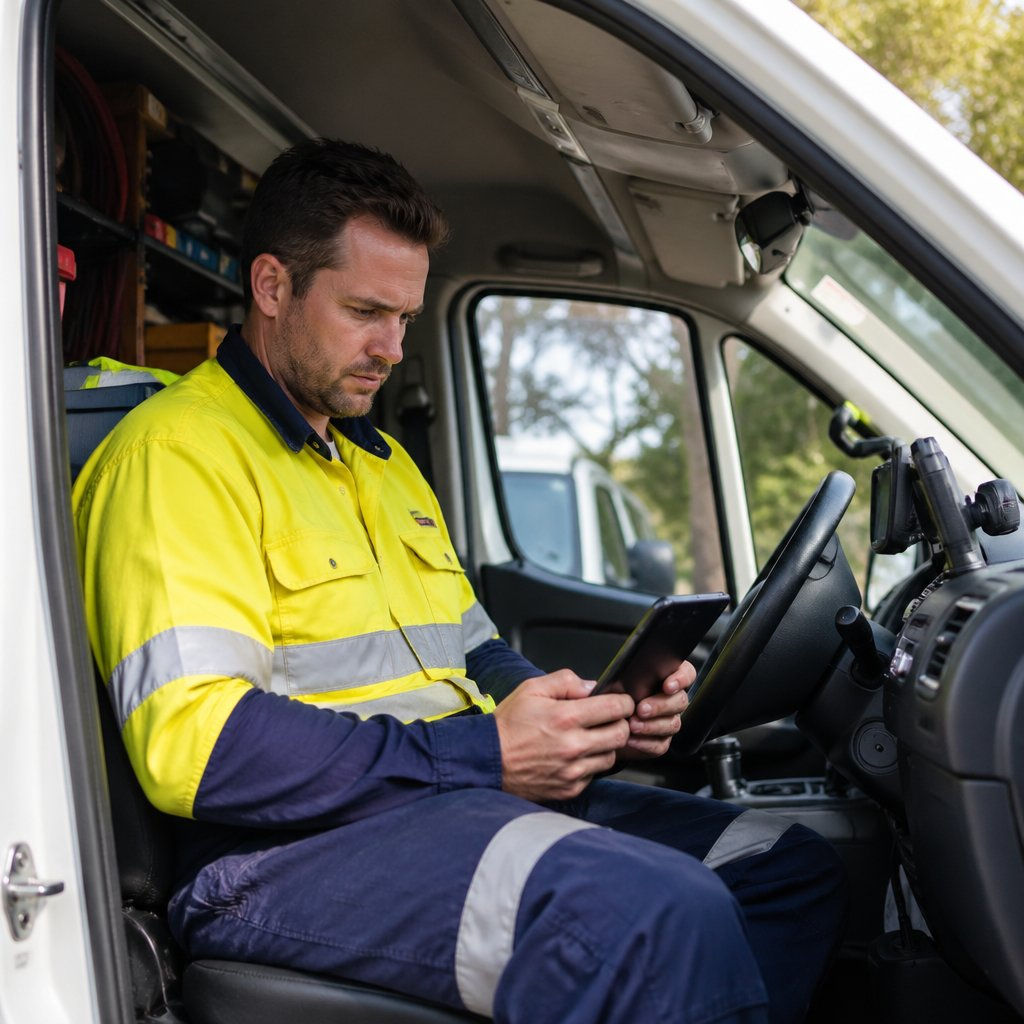
You've been flat out for months.
The jobs are coming in, you're sending out invoices, the phone keeps ringing and you're spending most of your days on the tools. If someone asked how business was going, you'd probably say it was pretty good.
But then you check the bank account.
And somehow, despite all the work you've been doing, there doesn't seem to be as much money left as you'd expected.
You've been busy. You've been earning money. So where is it all going?
It's easy to assume that the answer is to bring in more work. More jobs mean more invoices, more sales and surely more money in the bank.
But growing your workload doesn't automatically grow your profit.
Sometimes, the problem isn't that you need more work. It's that you need a better understanding of what the work you're already doing is actually earning you.
More work doesn't always mean more profit
When you're quoting jobs, it's easy to focus on the materials, labour and the amount you need to charge to get the job.
But a job doesn't just cost you the materials you buy or the wages you pay.
It also uses your time, your vehicle, your tools, your insurance and all the other expenses involved in running your business.
Let's say you've quoted a job for $5,000.
It sounds like a decent job. But once you've paid for materials, labour and other costs directly associated with completing it, how much is actually left?
And that amount still needs to contribute towards your general business expenses.
If your pricing doesn't account for the costs of running your business, you could be completing jobs that keep you busy without earning the profit you need.
Being busy is not the same as being profitable.
It's worth taking a closer look at the jobs you're doing and whether your pricing is allowing enough room for the business to make money.
When more work brings more expenses
When business starts picking up, it's exciting.
You might be taking on bigger jobs, hiring an employee, using more subcontractors or buying additional equipment to keep up with demand.
But growth comes with costs.
More jobs can mean more materials to purchase, more wages to pay, more fuel, more wear and tear on your vehicles and possibly more overheads.
Your income might be increasing, but so are your expenses.
And if those expenses are growing at the same rate as your sales, you may find yourself working harder without seeing much improvement in what the business actually earns.
This is why it's important to look beyond how much money you're invoicing.
Are your expenses increasing because you're genuinely growing the business? Or are you spending more simply because you're busier?
Understanding the difference can help you make better decisions about what work to take on, what you need to charge and where your money is going.
The money in your bank account isn't all yours to spend
One of the easiest traps to fall into when business is busy is looking at your bank balance and thinking you've got plenty of money available.
You've had a good week. A few customers have paid their invoices. Your account balance looks healthy.
But some of that money may already have a job.
If you're registered for GST, the GST you collect on your sales needs to be accounted for. If you have employees, you also need to consider PAYG withholding and superannuation obligations.
Then there are supplier bills, wages, loan repayments and other expenses that may be due in the coming weeks.
The money sitting in your account can give you a false sense of how much is actually available.
This is why putting money aside for your obligations as you go is so important. Waiting until your BAS is due to work out how much GST you've collected can make a busy business feel unexpectedly tight.
A little planning throughout the quarter can make those payments far less stressful.
Do you actually know where your money is going?
You don't need to spend hours analysing spreadsheets or become an accountant to understand how your business is performing.
But you do need to know what's happening with your money.
When your bookkeeping is up to date, you can start to see a clearer picture of your business.
You can see how much you've earned, what you're spending on materials, wages and other expenses, and whether your business is generating the profit you expected.
You can also start to identify patterns.
Perhaps fuel and vehicle costs have crept up. Maybe you're spending more on subcontractors than you realised. Perhaps some jobs are consistently costing more to complete than you allowed for when quoting.
These are the sorts of things that are difficult to spot when your bookkeeping is months behind.
And the sooner you identify them, the sooner you can do something about them.
Your numbers aren't just something you need for your BAS or tax return. They can help you make decisions about the business you're building.
Before you chase more work, take a look at the work you're already doing
There's nothing wrong with wanting to grow your business.
But before you start chasing more jobs, buying more equipment or taking on another employee, it's worth understanding how your business is performing now.
Are you charging enough for the work you're doing?
Are your expenses under control?
Are you making a decent profit?
Do you know what's coming in and what's going out?
Are you putting money aside for GST, wages, super and other obligations?
These questions aren't about slowing your business down. They're about making sure that the growth you're working so hard for is actually helping you get ahead.
Because the goal isn't just to have more work.
It's to build a business that earns enough to support you, pays its bills, leaves money for the future and doesn't require you to work every waking hour just to keep it going.
Too busy on the tools to keep up with the books?
You shouldn't have to spend your evenings chasing receipts, sorting transactions and trying to work out whether everything in Xero is up to date.
At Speaking Numbers, I help tradies in Logan keep their bookkeeping organised, their bank accounts reconciled and their BAS obligations on track.
As a registered BAS Agent, I provide practical Xero bookkeeping and BAS support to help you get a clearer picture of what's happening behind the work you're doing.
Because being busy is great.
But knowing that your business is actually making money? That's even better.
You focus on the tools. I'll help you keep track of the numbers.